
Popular Tree Removal Equipment for Professional-Grade Results
Discover essential tools and gear trusted by experts to handle tree removal projects with precision and confidence.
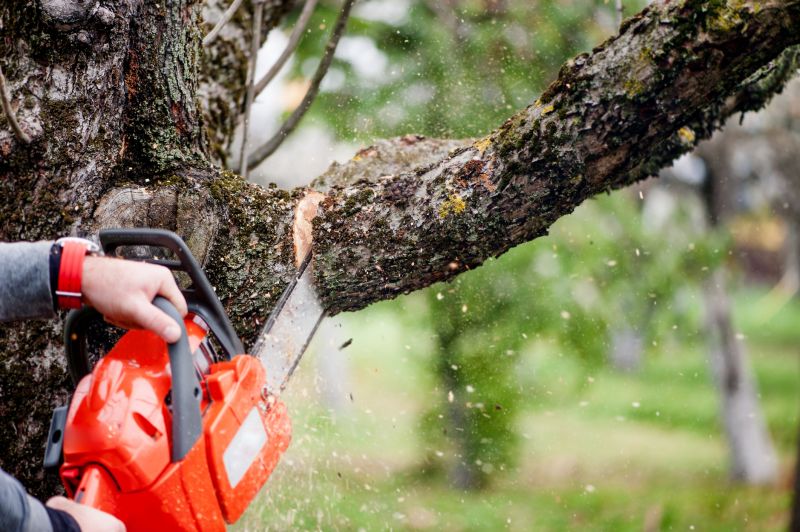 Removing trees safely and efficiently requires the right tools and equipment. Whether dealing with a hazardous branch, an entire tree, or clearing space for construction, selecting appropriate products is essential. Different scenarios demand different approaches, from manual pruning to heavy-duty cutting equipment. Understanding the variety of available tools can help you choose the most suitable options for your specific needs.
Top Overall Option
Multi-Purpose Tree Cutting Tool Kit
A comprehensive kit that includes various hand saws, pruners, loppers, and safety gear designed to handle a wide range of tree removal tasks. Its versatility makes it suitable for both DIY enthusiasts and professionals, offering reliable performance across different job sizes and types.
Types of Products For Tree Removals
Chainsaws
Powerful and versatile tools ideal for cutting through large branches and trunks, available in various sizes and power sources.
Pole Saws
Extendable saws designed for reaching high branches safely without the need for ladders.
Pruning Saws
Handheld saws suited for detailed trimming and smaller branches, offering precision and control.
Loppers
Long-handled cutting tools for trimming thicker branches with ease.
Axe and Hatchets
Traditional tools for chopping and felling small trees or branches.
Stump Grinders
Machines designed to grind down tree stumps after removal, facilitating landscaping.
Ropes and Harnesses
Safety equipment to secure and maneuver during high or difficult cuts.
Chippers
Equipment that chips branches and debris into mulch or manageable pieces.
Bucket Trucks
Aerial lifts that allow safe access to high branches for pruning or removal.
Debris Bags and Tarps
Tools for collecting and transporting cut branches and debris efficiently.
Chainsaw Accessories
Replacement chains, bars, and safety gear to enhance chainsaw performance.
Popular Choices
Battery-powered chainsaws offering mobility and ease of use for various tree removal tasks.
Lightweight tools designed for trimming high branches without ladders.
Compact tools suitable for detailed pruning and small branches.
Robust axes designed for felling small to medium-sized trees.
Corded options that provide consistent power for medium-sized cutting jobs.
Compact machines suitable for small to medium stumps in residential settings.
Protective headgear essential for safe tree removal operations.
Harnesses, spikes, and ropes for professional tree climbers.
Devices that help direct branches and debris safely to the ground.
Tools for clearing away leaves and small debris after cutting.
Tools used to guide and control the direction of falling trees.
Assist in lifting and lowering heavy branches safely.
Add-ons for chippers to convert branches into mulch efficiently.
Hand tools like pruning saws and loppers are ideal for smaller branches and detailed trimming, offering precision and control. For larger limbs or trees, power tools such as chainsaws and pole saws provide increased cutting capacity and reach. When tackling bigger projects, safety gear and accessories like harnesses, ropes, and protective clothing become critical to ensure safe operation.
In addition to cutting tools, equipment like stump grinders can be essential for complete removal after a tree has been felled. These machines help grind down remaining roots and stumps, facilitating landscaping or construction. For those handling multiple or large trees regularly, investing in professional-grade equipment or renting high-performance tools can improve efficiency and safety.
Proper planning and understanding of the tools' capabilities can make tree removal tasks more manageable. Always prioritize safety, follow manufacturer instructions, and consider the complexity of the job before selecting your equipment. The right combination of tools can make tree removal safer, quicker, and more effective.
Key Buying Considerations
- Assess the size and type of trees you plan to remove or prune to select appropriate tools.
- Consider the power source—corded, cordless, or gas-powered—based on mobility and project scale.
- Evaluate safety features such as guards, safety switches, and protective gear compatibility.
- Look for ergonomic designs to reduce fatigue during extended use.
- Check the reach capabilities of tools like pole saws and climbing gear for high branches.
- Determine if the equipment is suitable for DIY use or requires professional operation.
- Review maintenance requirements and availability of replacement parts.
- Consider storage options for tools and accessories to keep your workspace organized.
- Factor in noise levels, especially for residential areas, when choosing power tools.
- Ensure compatibility with other equipment you may already own, such as safety gear or attachments.
- Think about environmental conditions, like wet or uneven terrain, that may influence tool choice.
- Review user ratings and feedback for insights into reliability and ease of use.
- Estimate your budget and compare features to find the best value for your needs.
- Ensure compliance with local safety regulations and standards.
This page contains affiliate links. We may earn a commission if you purchase products through these links, at no additional cost to you.